Testimonials

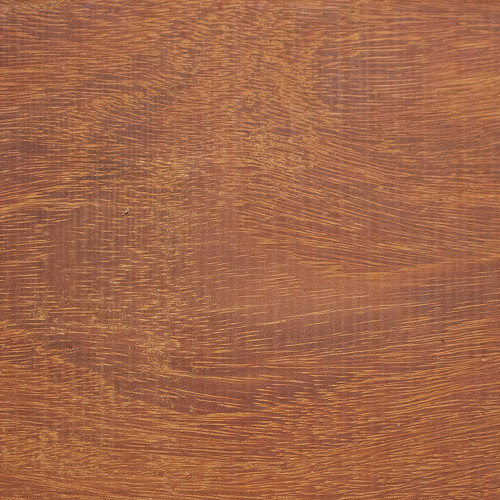
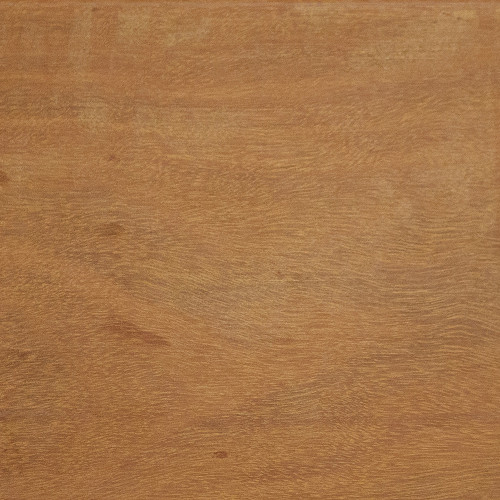
"Wiregrass Furniture and Lumber's craftsmanship and attention to detail enhances the grains and textures of their superior wood products yielding unparalled end results."

-- George W. Simmons, D.V.M.
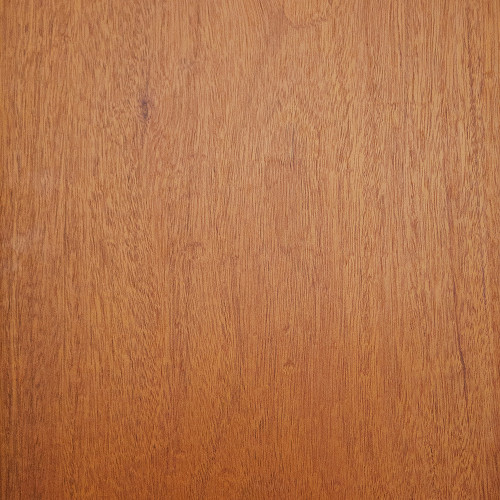
"In these fast moving times it is rare to find craftsmen dedicated to the building of fine furniture. We are very pleased that we chose Wiregrass Furniture and Lumber to provide the design and materials to custom build furniture for our home. The quality of their work is such that we expect it to be enjoyed by our family for generations."

-- Jack Buford

Frequently Asked Questions and Answers

  • Q: What is Heartwood?
    A: The older, harder central portion of the tree. Darker in color than sapwood.
  • Q: What is Sapwood?
    A: The softer, younger outer portion of the tree. Lighter in color than heartwood.
  • Q: What does Grain refer to?
    A: Used in reference to the annual growth rings (i.e. fine or coarse; straight, spiral, or curly; open or closed)
  • Q: What does Texture refer to?
    A: Refers to the finer structure of the wood rather than to the annual growth rings
  • Q: What is the Janka Scale?
    A: Measures the force required to embed a .444-inch steel ball to half its diameter in wood. Measures the wood species ability to withstand denting and wear. Northern red oak is the benchmark the other species are compared to. The higher the Janka score, the harder the particular species of the wood is.
  • Q: What does Plain Sawn mean?
    A: Plain sawn is the most common cut. The first cut is made on a tangent to the circumference of the log and the remaining cuts are parallel to the first. The board contains more variation than Quarter Sawn and Rift Sawn because the grain patterns resulting from the growth rings are more obvious.
  • Q: What is Quarter Sawn?
    A: The log is first quartered and then sawed perpendicular to the growth rings. Quarter sawn produces less board feet per log than plain sawn. Quarter sawn twists and cups less and wears more evenly.
  • Q: What is Rift Sawn?
    A: Similar to quarter-sawing except that it is cut at a slightly different angle therefore it develops a more subtle grain.
  • Q: What is First Grade Wood?
    A: The best appearance, natural color variation, and limited character marks
  • Q: What is Second Grade Wood?
    A: Variegated in appearance with varying sound wood characteristics of species